
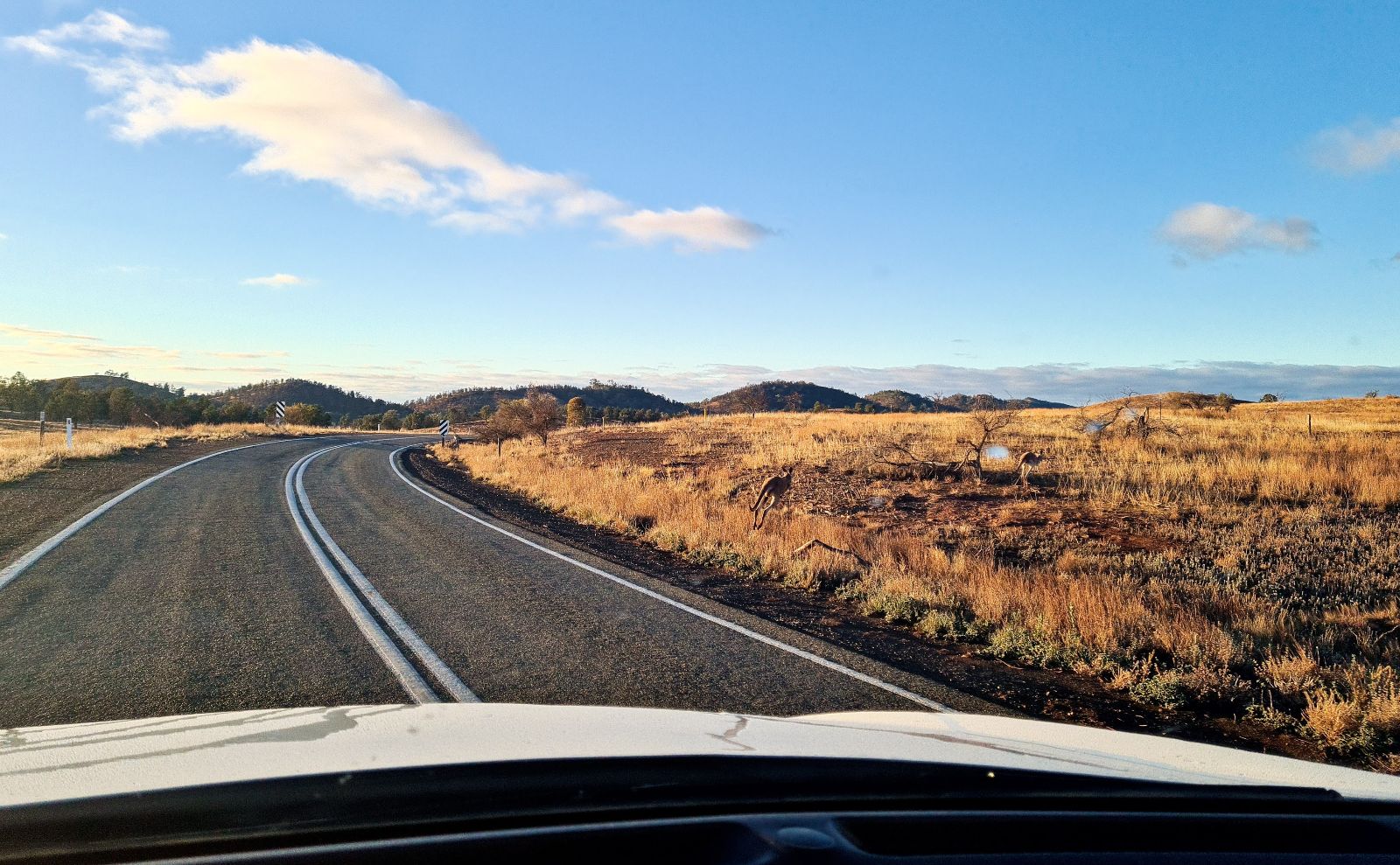
Sydney Road Trips Done Right: A Local’s Practical Guide
Road trips from Sydney offer real freedom. You’ll discover coastal towns, mountain villages,
and quieter beaches that most visitors miss. When you get the basics right – your vehicle, route, and timing – you’ll spend less time worrying and more time enjoying NSW. This guide covers the practical steps that matter, plus local insights I’ve picked up over the years.
This page may contain affiliate links. Read our full disclosure policy for more information.
Let me guide you through planning your Sydney adventure properly.
First, review you vehicle
If you’re not used to driving in Australia, check your car before you leave and make sure you understand the basics. Breaking down on the highway, or worse, a remote road, ruins any trip, and it’s easily avoided with 30 minutes of preparation.
- Run through this list before you go:
- Tire pressure and tread depth (including your spare)
- Engine oil and coolant levels
- Brake fluid and windscreen washer fluid
- All lights are working properly
Double-check your registration is current too. NSW requires valid CTP Green Slip coverage
like NRMA Insurance for legal registration. It covers medical costs and lost income if
someone’s injured in an accident. If you are in a rental car this will be included, but if you are
borrowing one from a friend or buying a cheap second-hand car for your adventure, don’t
skip checking these details.
Pack an emergency kit as well—you’ll thank yourself if something goes wrong. Include a first
aid kit, torch, jumper cables, basic tools, extra water, and phone charger.
Consider your route carefully
Sydney’s location makes it perfect for exploring NSW by car. I recommend these routes to
travellers based on what they’re after:
Weekend Options
Perfect for 1-3 day escapes when you want a change of scenery without major planning.
- Coastal Drives North: The Central Coast to Port Stephens drive makes a good
weekend trip. Stop at The Entrance for pelican feeding at 3:30pm daily, then continue
to Nelson Bay for oysters and dolphin watching. Tomaree Head Summit walk offers
360-degree coastal views; it’s steep and takes about 20 minutes to reach the top. - Mountain Escapes West: The Blue Mountains are well-suited to cooler weather
breaks. Skip the tourist crowds at Echo Point and head straight to Govetts Leap in
Blackheath for equally good views with half the people. The heritage villages of
Leura and Wentworth Falls feature cafes and antique browsing between bushwalks. - Southern Coastal Routes: Head south through Royal National Park (the coastal walk
from Bundeena to Marley Beach is spectacular) then over the Sea Cliff Bridge – stop
at the lookout for photos. Kiama’s blowhole performs best two hours before high tide
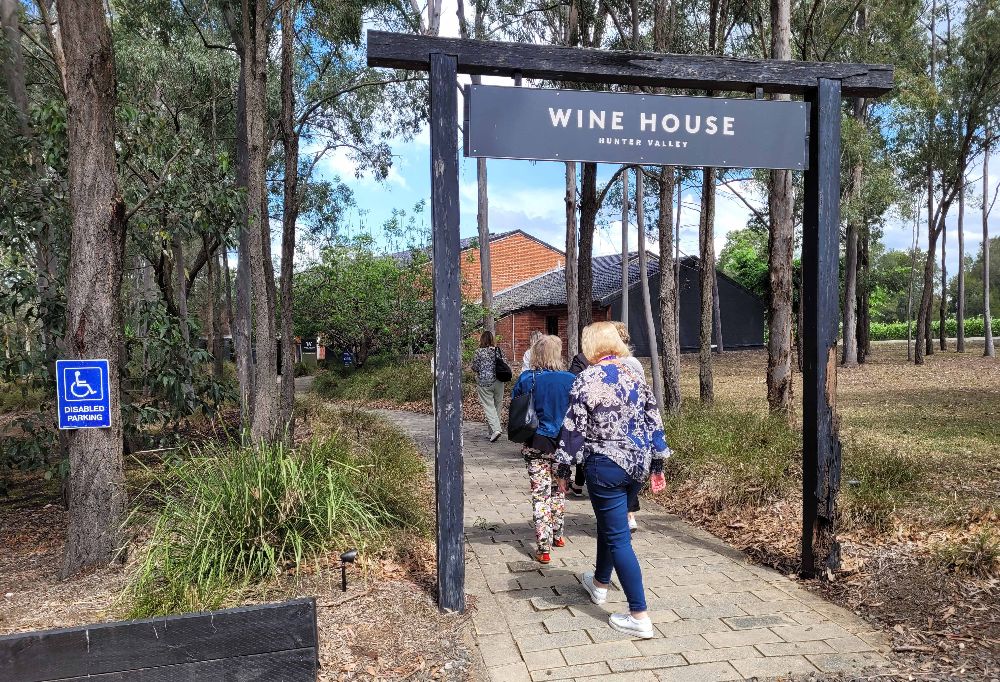
when wave action is strongest. - Wine Country: Hunter Valley works particularly well for couples. Book cellar door
tastings between 10am-2pm when the wines are at their best temperature. Audrey
Wilkinson’s hilltop location offers vineyard views with your tasting, while smaller
producers like Margan often provide more intimate experiences than the big-name
estates.
Extended Adventures in New South Wales
Multi-day journeys that reward proper planning with remarkable experiences.
Waterfall Way Adventure (3-4 Days): This 185km route from Armidale to Coffs Harbour
is known for its waterfall scenery. Direct driving time is 2.5 hours, but you’ll want 3-4 days to
explore. Start at Wollomombi Falls near Armidale (one of NSW’s highest), then hit Ebor
Falls for the iconic double-tiered shots.
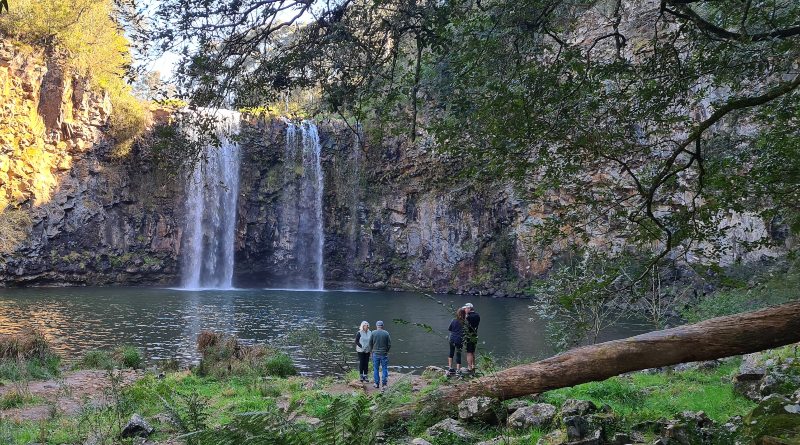
Dorrigo National Park is your overnight base – the Skywalk platform gives you rainforest
canopy views, while Crystal Shower Falls via the Wonga Walk (6.6km circuit) takes you
behind the cascade. Dangar Falls offers easy access just 30 meters from the car park. End in
charming Bellingen for riverside cafes and local shopping.
add accommodation in Dorrigo.
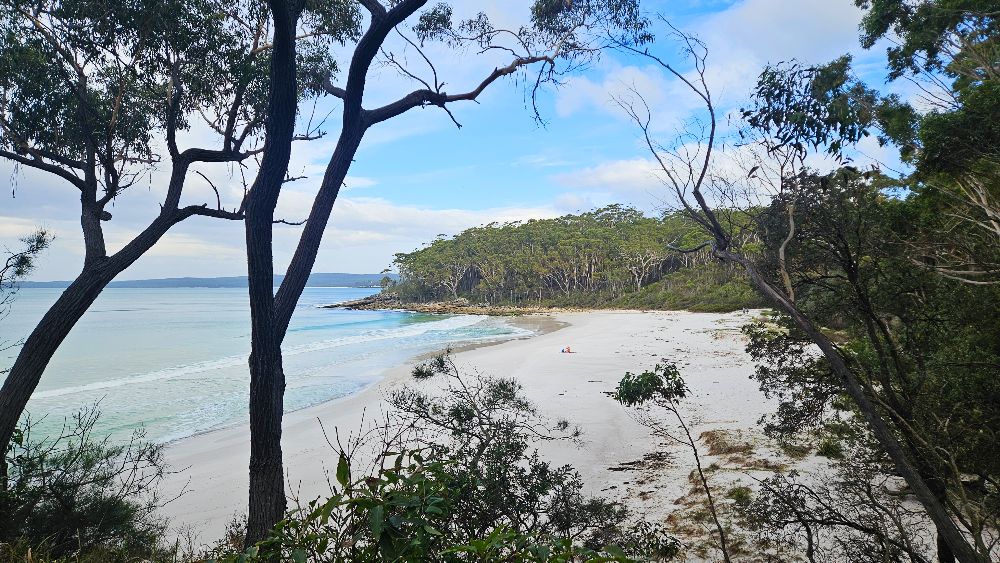
Jervis Bay: Hyams Beach is often claimed to have a Guinness World Record for the world’s
whitest sand, though this isn’t actually verified. What is certain is that the sand is
exceptionally white on all the beaches here – among the finest you’ll find anywhere.
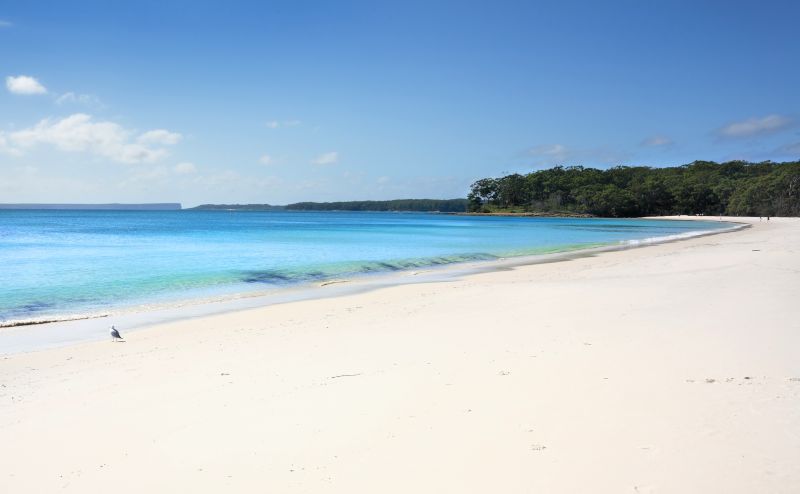
The White Sands Walk in Jervis Bay is a stunning coastal trail that showcases these
pristine beaches and clear waters. It’s ideal for morning walks when the light hits the white sand.
If you’re feeling ambitious, tackle the Shoalhaven 100 Beach Challenge – it’s an official
tourism initiative with downloadable maps that guide you to 100 different beaches along the
coast, each with its own character. Even if you don’t have time to visit them all it’s helpful for different finding which beaches are best for which activity, like surfing, swimming, or
just having a picnic lunch.
Complete South Coast Circuit (4-5 Days): Sydney to Jervis Bay, then south through
Narooma to Eden and back via the inland route. This route includes white sand beaches, local
seafood, and whale watching opportunities during migration season. It offers a mix of coastal
towns, national parks, and country villages in one trip.
Plan the timing of your trip
Weekend trips usually mean bigger crowds and higher prices. Leaving on Friday afternoon
puts you in peak traffic, and returning Sunday evening can create delays.
Tactical Departure Timing
Leave Sydney by 6:30am to clear the city-to-freeway section before traffic builds around
8am. Often, the tricky part isn’t the M1 itself, but getting from urban roads onto the motorway
network.
For Hunter Valley trips, the Putty Road route is a worthwhile scenic drive, but it may close during bushfire season and heavy rain, so check conditions beforehand.
Southbound to Jervis Bay gets tricky on long weekends when everyone has the same idea. On
weekdays, expect heavy school traffic through Sutherland Shire, but once you’re on the
freeway toward Wollongong, it generally flows better. If you’re not in a hurry, the route via
Royal National Park is far more pleasant, winding roads through bushland rather than
suburban crawl.
Check school holiday dates to avoid higher prices and crowds. NSW school holidays tend to
make coastal towns especially busy—accommodation prices often increase significantly, and
beaches become congested during these periods.
Weather timing matters too. Summer’s perfect for beaches but it can get uncomfortably hot inland. Winter brings fewer crowds and better prices, and a high chance of spotting whales along the coast.
Book smart to avoid future regrets.
Spontaneous travel sounds appealing, but popular destinations like Byron Bay, Hunter
Valley, and the Blue Mountains book out quickly on weekends. Reserve your stay – you can usually cancel within 24-48 hours if plans change.
Stay in less obvious towns. Many people book Katoomba in the Blue Mountains, but nearby Blackheath offers better value and access to the best walks. We stayed at Kyah, an updated motel with a fabulous restaurant—just a short distance from the Grand Canyon walk.
For campers or caravaning, Katoomba Falls Caravan Park works perfectly if you’re planning the Grand Cliff Top walk. We spent two nights there and you can join the track right from the park
entrance, which allows you to bypass the busier main trailheads.
Mix up your accommodation types for better value. Combine camping with hotels, or try
B&Bs alongside motels. This can help manage expenses and add variety.
Book special meals. It’s worth making restaurant reservations as well. Popular winery and country dining spots can fill quickly, so booking ahead can help avoid long waits.
Packing Like a Local
Don’t overthink your packing, but don’t underestimate it either. Service stations charge
ridiculous prices for basics, so bringing essentials can save money and hassle.
- NSW Weather Essentials: Consider packing layers rather than bulky items; a light merino jumper can handle the temperature drop from Sydney’s coast to the Blue Mountains (it can be about 10 degrees cooler at elevation). Even in summer, evenings in Hunter Valley can be cool. A lightweight rain jacket is recommended for Waterfall Way trips, the rainforest areas live up to their name!
- Local Practicalities: Reusable water bottles are a good idea – many NSW towns have excellent public refill stations, and you may pay $4+ for bottled water at tourist spots. A small esky with ice packs can help you stock up on local produce and keep wine purchases cool.
- Bring proper sun protection: SPF30+ sunscreen, a wide-brimmed hat, and quality sunglasses.
NSW’s UV levels are intense year-round, and reflected light off beaches and water can
increase exposure. Even short beach walks can lead to sunburn. - Don’t forget insect repellent: Especially for bushwalking areas, including Dorrigo and Royal National Park, where March flies and mosquitoes are common.
- Cash comes in handy. Some roadside fruit stands may not accept cards, so having about $50 in small notes can make things easier.
- Download offline maps: Have Google Maps or similar available or carry a road atlas as a backup to your phone, as mobile coverage can drop completely on some inland routes.
- Consider adding buffer time: Try not to pack your itinerary too tightly, you may miss some of the best parts of road tripping. GPS times often don’t account for photo stops, coffee breaks, or toilet stops. Consider adding around 30% extra time to whatever your navigation suggests.
Discover Unique Experiences
While popular spots earn their reputation, I often find worthwhile NSW experiences in
smaller towns between major destinations. Stops at country bakeries or local galleries can be
highlights of a trip. Ask locals for recommendations. Service station attendants, café owners, and hotel staff often know their areas well and can offer valuable tips.
Eating Smart on the Road
Service station food is expensive and usually disappointing. Pack a cooler with snacks, fruit,
and drinks – you’ll save money and eat better. For many people, enjoying meals in scenic
spots is more satisfying than stopping at motorway service centres.
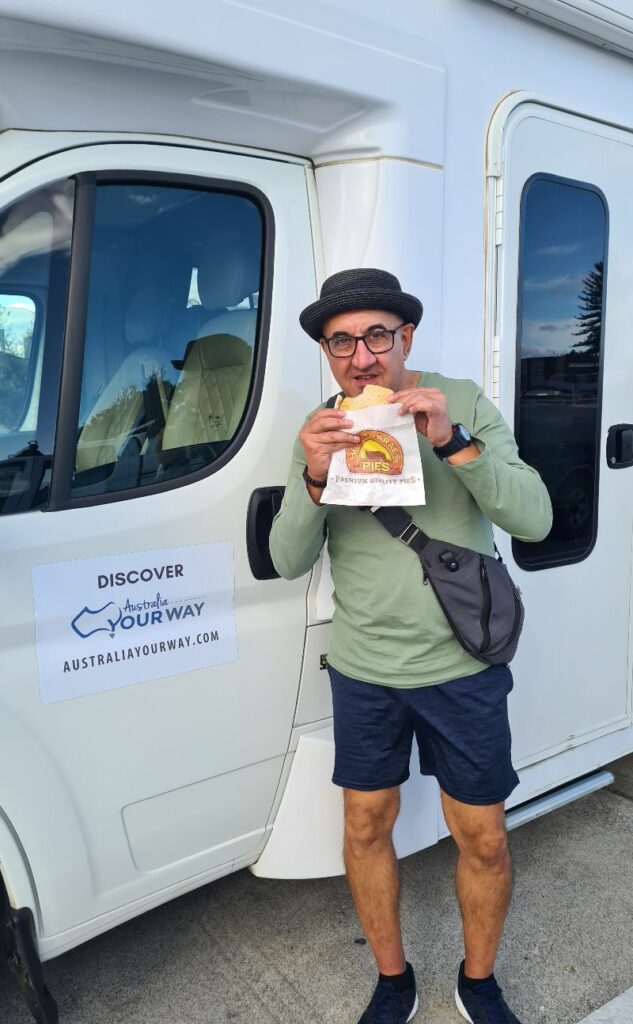
Heading north? Heatherbrea Pies at Ourimbah serves classic Aussie meat pies – try the
Bushman’s (chopped beef, onions and bacon with carrots, parsnips and mushrooms) plus they
do vegan options and a range of sweet pies. They also have shops at Ourimbah and Exeter.
For something different, Saddles Mount White is an interesting detour into Central Coast hinterland. I suggest the Saltbush & Kakadu Plum Tartlet (lemon goat curd, saltbush, poached beetroot & Kakadu plum) for $25 if you want to try local flavours, though I personally go for the green goddess salad to balance out all the road trip pastries we’ll likely pick up later.

On the south coast, Berry’s donut van is absolutely iconic – you’ll spot the queue from the
road. Just up the street, Milkwood bakery offers pies and pastries, while Berry Bakery across
the road is a lower-priced option with traditional ones that taste just as good without the
premium price.
Consider supporting local producers when possible. Farm stands selling fresh fruit, honey,
and vegetables can be fresher and may be less expensive than supermarkets.
Planning to hit the road?
You don’t need perfect planning for a Sydney road trip, just get the basics right.
Start with one route and do it properly rather than rushing through multiple destinations.
Whether it’s the Waterfall Way’s waterfalls, Hunter Valley’s cellar door experiences, or the
South Coast’s white sand beaches, each deserves enough time to explore.
Many road trip memories come from unexpected stops—like a coffee in Robertson, a sunset
at Sublime Point, or coming across Berry’s well-known donut van. Leave Sydney early, take
your time, and you may find much to appreciate on NSW’s road trips.
Need more ideas? Join our Australia Travel Tips group where you can ask questions, stay updated with what’s happening and meet a bunch of friendly local experts ready to share their advice!