
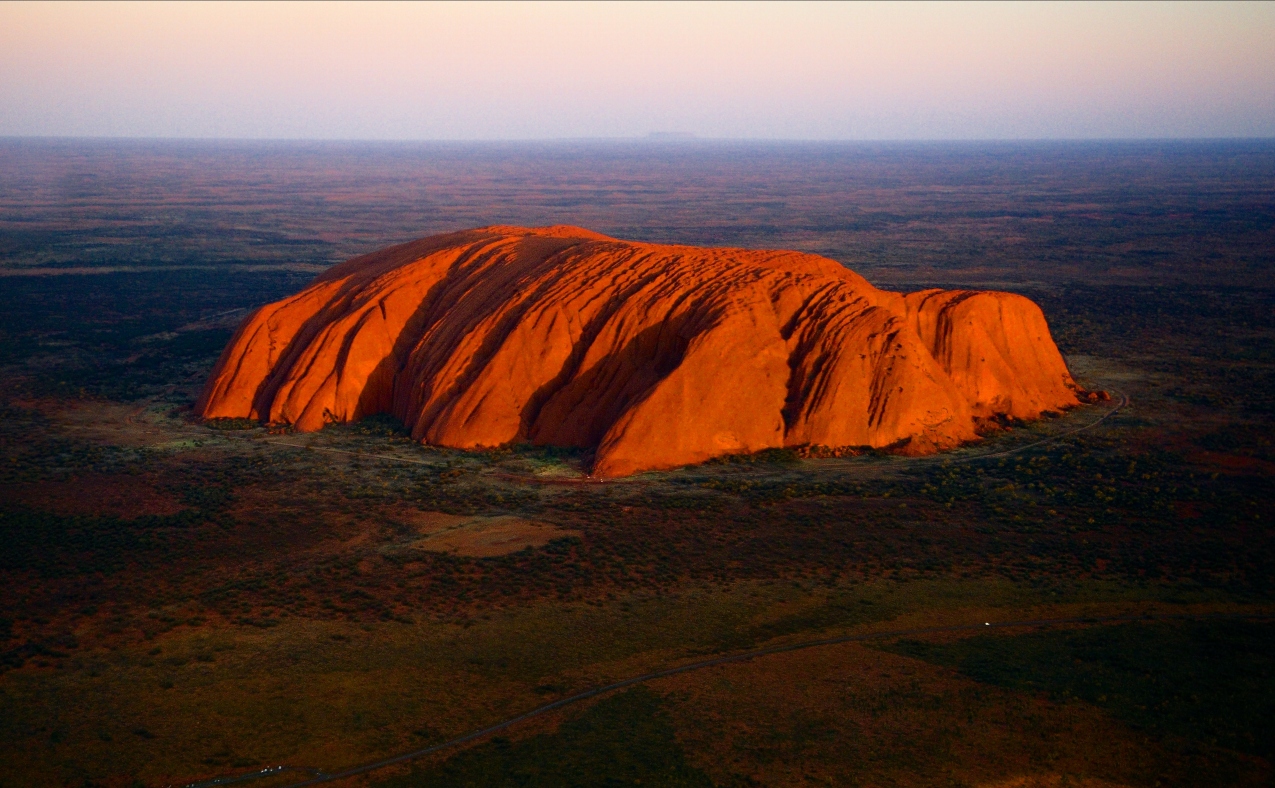
Planning a Trip to Uluru in 2026: Insider Tips & Cost Guide
I’ll admit I put off visiting Uluru for years. The logistics always felt complicated, and the cost seemed high compared to a quick trip say Thailand. However, when I finally planned a trip there for my birthday with four friends, I realized that while it is an expensive destination, it’s also one of the most remarkable places I’ve ever been.
The trick to making it work is all in the planning. I spent weeks obsessing over every detail of our itinerary, and after four days of testing everything out (and making a few rookie mistakes), I’ve figured out what is actually worth the spend. This guide is based on that experience, including the 2026 updates you need to know before you book.
In this guide, I’m covering:
- Timing your trip: Why April/May and September/October are the clear winners.
- The “View” Hack: Which seat to book on the plane for the best first look at the Rock.
- Budgeting for 2026: How to manage the high cost of food and fuel.
- Transport: Why a rental car is usually better than the shuttle.
Don’t have time to read the whole guide?
If you’re just here for the highlights, these are our top three “can’t-miss” tours for 2026. If you do nothing else, do these:
- 1. The Immersive Walk: Uluru Morning Guided Base Walk ($209). Essential for understanding the cultural history of the Aṉangu people.
- Short on time? Swap the walk for a Helicopter Scenic Flight (from $215) for those incredible aerial views of the Rock and Kata Tjuta.
- 2. The Perfect Photo Op: Sunrise at Talinguru Nyakunytjaku. It’s the best light you’ll get for your photos, and it’s free with your National Park Pass.
- 3. The Art Experience: Field of Light ($50). A unique, solar-powered art installation that transforms the desert floor at night.
This page may contain affiliate links. Read our full disclosure policy for more information.
Quick Facts
- Flight Time: 3-3.5 hours from Sydney/Melbourne.
- Stay Length: 4 days (3 is a sprint; 5 is a luxury).
- Entry Fee: $38 for 3 days (Digital passes are now standard).
- Best time: May or September for the best weather/price balance.
- Mobile Coverage: Telstra is the only reliable network once you’re on the walking trails.
Choosing when to go is the biggest factor in how much you’ll actually enjoy the trip. Unlike a city break, the weather here dictates your entire schedule. If it’s too hot, the best walks close early; if it’s winter, you’ll be freezing at sunrise.
When to Visit Uluru
Choosing when to go is the biggest factor in how much you’ll actually enjoy the trip. Unlike a city break, the weather here dictates your entire schedule. If it’s too hot, the best walks close early; if it’s winter, you’ll be freezing at sunrise.
Weather at Uluru
The weather at Uluru is more extreme than most visitors expect, and it will completely shape your daily schedule. Temperatures can swing from near freezing at night to blazing hot by mid-morning. Here’s a season-by-season breakdown to help you plan:
- Spring (Sept–Nov): Expect 26-34°C. Fantastic for walking, but the flies start to emerge as it warms up. It’s a trade-off: beautiful wildflowers vs. wearing a head net.
- Summer (Dec–Feb): Usually 35-38°C. Honestly? Avoid it if you can. Temperatures often hit 38°C, and the Rangers frequently close the trails by 11:00 AM for safety.
- Autumn (Mar–May): Ideal conditions 23-28°C with clear skies and temperatures in the mid-20s. This was when we visited, and it was perfect.
- Winter (Jun–Aug): Chilly nights (3-5°C) but beautiful sunny days (20-22°C). These are the most popular months. The days are crisp and perfect for hiking, but you’ll need a proper puffer jacket and beanie for sunrise.
So when is the best time to visit? Our recommendation would be April-May or September-October. Here’s why:
Managing Crowds and Costs
Timing can make or break your Uluru experience – both for your wallet and your photos. Here’s what we learned from our visit:
- The Peak (June–August): Expect to pay a premium. Flights are at their most expensive, and the sunrise viewing platforms are crowded. You’ll need to book at least 6 months ahead.
- The 2026 Sweet Spot: I highly recommend May or September. The weather is much more manageable, the crowds are thinner, and we found better “shoulder season” rates at Desert Gardens.
- Dates to Watch: Check the dates for the Uluru Camel Cup (July)—accommodation prices in Yulara can double during this week.
My money saving strategies
- Tuesday/Wednesday Flights: We saved over $200 per person by avoiding weekend travel.
- The IGA Strategy: We packed our own breakfast and snacks for the sunrise viewings. Buying a few basics at the resort supermarket is much cheaper than eating every meal at the cafes.
- Book Your First Sunrise Early: We booked our main sunrise viewing for our first morning. If the weather is bad, you still have time to try again the next day.
Insider Tip: Book sunrise viewing for your first morning. Bad weather? You’ll have time to try again. Perfect weather? You can sleep in the next day!
How long to stay in Uluru?
The most common question I get is, “Can I see everything in two days?” My short answer: technically yes, but you’ll go home needing another holiday.
After doing this with a group of friends, I found that four days is the “perfect” stay. It allows you to see the icons without feeling like you’re on a military exercise.
- The 3-Day Sprint: You’ll see the Rock, do the Field of Light, and squeeze in Kata Tjuta. It’s busy, and if one flight is delayed or the weather turns, you’ll miss something major.
- The 4-5 Day Sweet Spot: This is what we did. It gave us time for a “pool afternoon” to recover from the 5:00 AM starts. It also gives you a buffer day for weather and the chance to visit your favorite lookout twice.
- Including Kings Canyon: If you want to include the Rim Walk at Kings Canyon (which I highly recommend), you must add at least one more night. It’s a 3.5-hour drive each way, so trying to do it as a day trip from Yulara is exhausting. Personally I would stay overnight.
Our Experience: We planned three days but wished we’d booked four. The relaxed pace of the outback hits you differently—you’ll want time to just sit and soak it in without checking your watch.
If you are on a tight schedule and only have two days, it’s probably best to book a camping tour or a glamping style package so someone else can make sure that you don’t miss anything.
If you are trying to decide whether to book an all-inclusive package or do it yourself, this guide to multi-day tours in the Red Centre might help.
Where to Stay: The Yulara Breakdown
massive shakeup behind the scenes recently, with the management of the resort transitioning over to the global hotel giant Accor.
Because of the change, a lot of the familiar spots have been rebranded under their major global labels. It’s still a monopoly, meaning prices are high across the board, but the good news is that everything is still connected by the free shuttle bus, so you’re never truly isolated regardless of where you book.
Luxury Options
Sails in the Desert (The Pullman brand): This is the luxury pick. The pool area is beautiful, and the lobby feels like a gallery. If it’s a milestone birthday and the budget allows, this is the one.
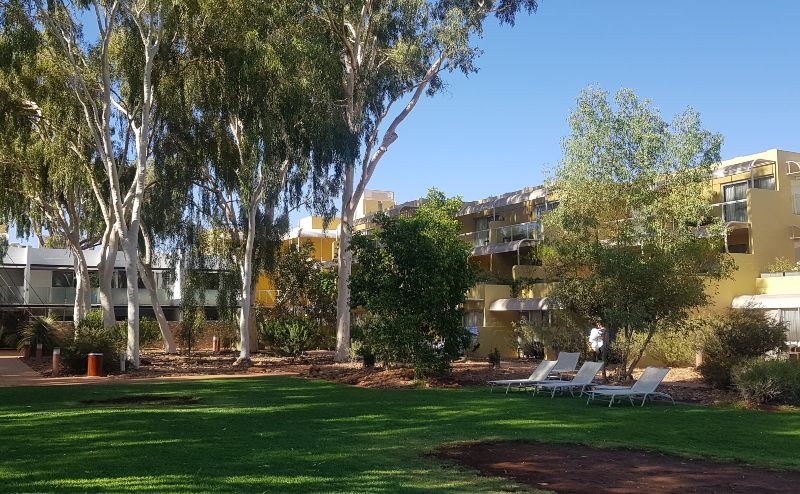
Desert Gardens Hotel (The Novotel brand): This was our choice. It’s the only hotel with views of Uluru from the rooms. Waking up and seeing the Rock from the balcony while having a coffee was worth the extra spend for us.
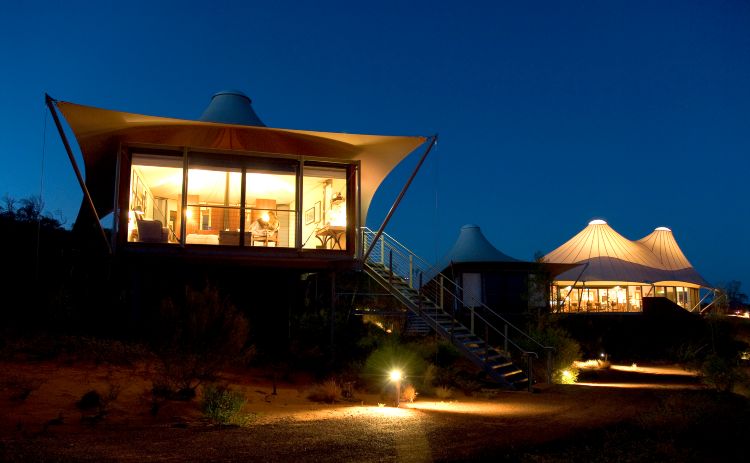
Longitude 131° (The Splurge): This is the ultra-luxury glamping experience you’ve probably seen on Instagram. It is completely separate from the main resort and sits on its own private dunes with uninterrupted views of the Rock. It’s all-inclusive and eye-wateringly expensive, but if you’re celebrating a 50th or a honeymoon and have the budget, this is as good as it gets in Australia.
Mid-Range & Family Options
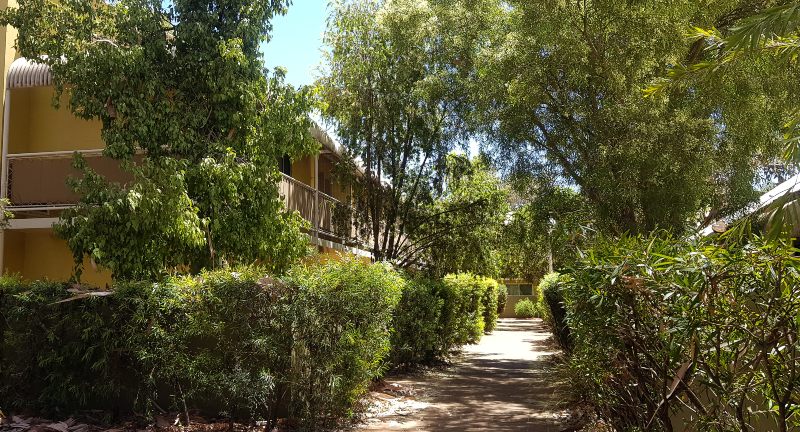
Emu Walk Apartments (Grand Mercure): If you’re traveling as a group or family, these are gold. Having a full kitchen means you can cook dinner and save a fortune on resort meals.
Lost Camel (The Mercure brand): A more boutique, modern vibe. It doesn’t have its own restaurant, but you’re right next to the Town Square cafes.
Budget-Friendly Choices
You might remember this as the Outback Pioneer, but it recently underwent a massive, multi-million-dollar facelift and was split into two booking options. They completely modernised the rooms with sleek ensuite bathrooms, smart TVs, and gorgeous artwork by local Indigenous artists.
The Outback Hotel covers the refreshed standard rooms (most now feature two queen beds, which is a lifesaver for families).
The Outback Lodge manages the true budget side, with reconfigured family bunk rooms and classic shared dorms for backpackers.The best part? It didn’t lose its legendary, laid-back “social hub” atmosphere. Even if you aren’t staying here, you’ll likely end up here for the classic DIY BBQ, the open outback bar, and the live music.
Campground – If you want to save serious cash and sleep under that insane desert night sky, the Ayers Rock Campground offers unpowered tent spots, powered sites for vans, and even air-conditioned budget cabins—plus, you still get full access to the resort’s swimming pool and the free shuttle bus.
Tip: Don’t stress too much about the specific location within Yulara. You can walk between most hotels in 15 minutes, and the free shuttle runs constantly. Focus more on whether you want a kitchen or a view.
Have you seen our detailed Uluru Accommodation guide with photos?
Getting to Uluru: Your Options Compared
Most people assume you have to fly into Alice Springs and drive, but that’s a 450km journey that eats up an entire day. Unless you are on a much longer outback road trip, flying direct to Yulara (Ayers Rock Airport) is the only way to go.
Direct Flights to Yulara (AYQ) In 2026, we’ve seen more consistent schedules from the major hubs. The flight time is roughly 3 to 3.5 hours from the east coast, which is just long enough for a movie and a snack.
- From Sydney & Melbourne: You’ll find daily flights.
- From Brisbane: Usually 3–4 flights weekly.
- From Adelaide: Generally 2–3 flights weekly.
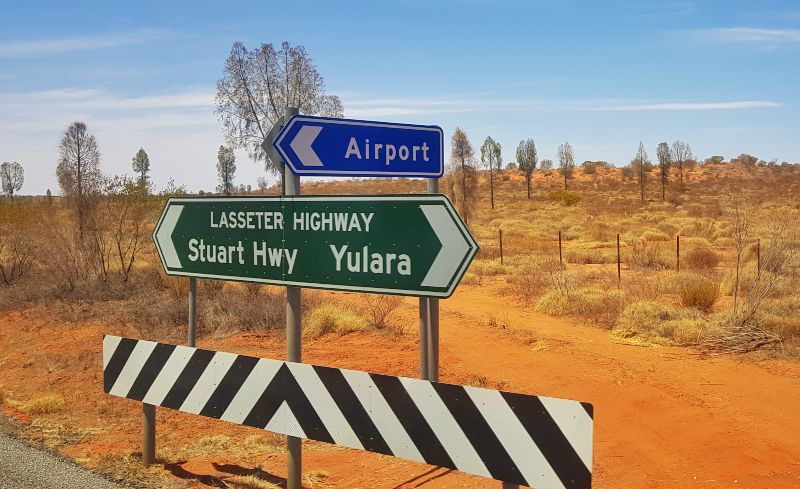
Yulara airport is tiny and incredibly efficient. You’ll walk off the plane onto the tarmac (be ready for that first hit of desert heat!), and because the resort is so close, you’ll usually be checking into your hotel within 30 minutes of landing.
The “Side of the Plane” Hack If you want the best view of Uluru before you even land, this is the most important tip I can give you: Book a seat on the left side of the plane (Seat A). As the pilot circles for the approach, the Rock usually appears right outside that window. It’s essentially a free scenic flight. You will get as close as 2km from the rock.
Money-saving flight tips:
- Free shuttle buses meet every flight (no booking needed)
- Book 3-6 months ahead for best rates
- Tuesday/Wednesday flights are usually cheapest
Alternative: The Ghan or Driving from Alice
While flying direct is my recommendation, there are two other ways people arrive:
The Ghan Experience The Ghan is one of the world’s great luxury rail journeys, running between Adelaide and Darwin. It stops in Alice Springs, where you can disembark for an Uluru excursion.
- The Reality: It’s a bucket-list experience with gourmet dining and beautiful cabins, but it is expensive and doesn’t get you all the way there. You’ll still need to arrange a 45-minute flight or a 5-hour coach transfer from Alice Springs to Yulara.
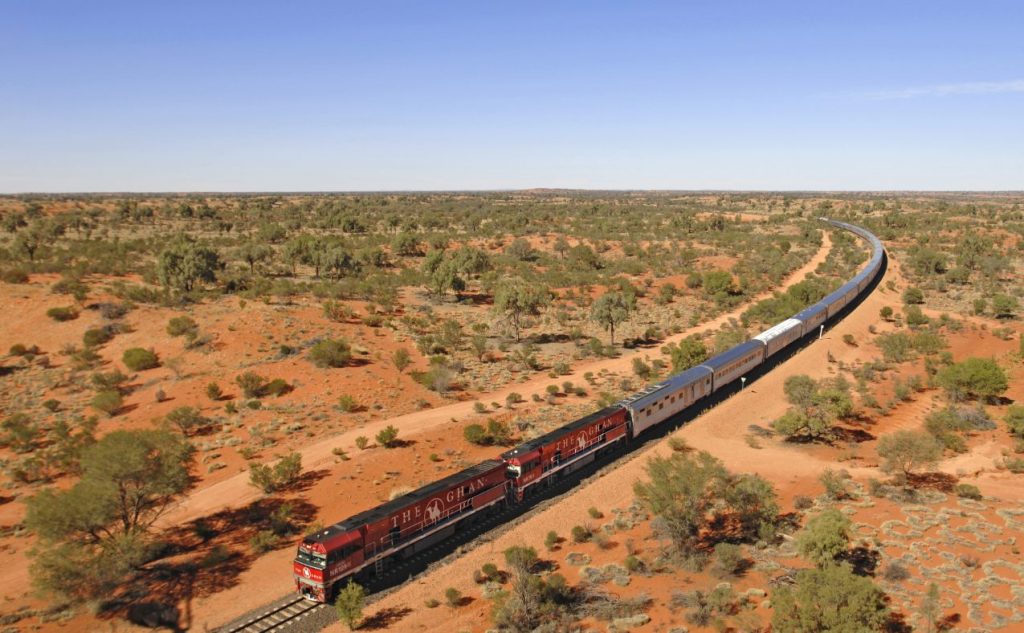
It’s an experience worth the cost if long train journeys appeal to you. The Ghan stops at Alice Springs, where you can join a bus or flight to Yulara.
Bus Travel: For the Budget-Conscious or Slow Traveler
We didn’t take the bus ourselves but spoke to several travellers who did. If you have more time than money, or if you’re on a broader mission to see the outback, the bus is your go-to. However, don’t underestimate the scale of the Red Centre.
- From Alice Springs: There are regular shuttle services to Yulara. It’s a 6-hour journey, but in 2026, you can now opt for “Lux” bus services. These cost a bit more but give you much better seating and more legroom, which you’ll definitely appreciate by hour four.
- Long-Distance Routes: These are perfect for backpackers who want to stop off at places like Coober Pedy (for the opal mines), Katherine Gorge, or the Devils Marbles.
- Greyhound Services: If you’re coming from the north or south, be prepared for a marathon. The trip to Alice Springs takes 22 hours from Darwin and 21 hours from Adelaide.
Our Take: Unless you are specifically ticking off a bucket-list item like The Ghan or you’re a backpacker stopping at multiple outback landmarks, flying direct to Yulara is the only way I’d recommend doing it. When you factor in the cost of food and the “exhaustion tax” of a 20-hour bus ride, the flight usually wins on value every time.
Getting Around Uluru: Transport Options and Costs
One of the biggest surprises for us was how spread out everything is. You aren’t just “at the Rock” when you arrive at your hotel.
1. The Free Resort Shuttle This is perfect for getting around Yulara itself. It loops between the hotels, the Town Square, and the Camel Farm every 20 minutes.
- Crucial Note: This shuttle does not go into the National Park or to Uluru itself.
2. Rental Car (Our Recommendation) We decided to rent a car, and it was the best decision we made. It cost us around $160 to $180 a day, but split between four friends, it was cheaper than the shuttle passes.
- The Freedom Factor: You can leave for sunrise 10 minutes earlier than the tour buses and snag the best photo spot.
- Driving Info: The roads are perfectly paved and very easy to navigate. Just watch out for wildlife at dawn and dusk!
3. The Hop-on-Hop-off Bus f you don’t want to drive, this is your main option for getting to the sights. It’s around $190 for a 3-day pass. It’s reliable and clean, but you are tied to their schedule.
Guided Tours: For the Deep-Dive Experience
If you don’t want to worry about logistics, or if you really want to understand the history and geology of the area, booking a guided tour is the best way to go.
- The Pro: You don’t have to worry about parking or navigating. You get picked up from your hotel, and you have an expert explaining exactly what you’re looking at. For our group, having a guide for the cultural walks was invaluable because they point out rock art and details you would walk right past on your own.
- The Con: This is the most expensive way to see the park. You are also on someone else’s schedule, which means you can’t just decide to stay an extra 20 minutes to watch the light change on the rock.
- Best for: First-time visitors who want a stress-free experience and those who want to hear the traditional stories (Tjukurpa) from someone who knows them.
Money-Saving Tip: Rental Car vs. Tours
If there are three or more people in your group, renting a car almost always works out cheaper than booking individual tour spots for every sunrise and sunset. We found that having the car gave us the best of both worlds—we drove ourselves to the main lookouts, but then booked one or two specific guided cultural tours to get that “insider” knowledge.
Driving at Uluru: What to Expect
If you’re wondering whether to rent a car, here’s the good news: driving at Uluru is surprisingly easy. The roads are well-maintained, traffic is minimal, and signage is clear. Even if you’re not used to driving on the left, this is actually a great place to start—there is very little traffic to deal with, and you won’t find a single traffic light in the desert!
Road Conditions
- All major roads are sealed (paved): You don’t need a 4WD to see the main sights. A standard 2WD is perfectly fine for the National Park and the drive to Kata Tjuta.
- Wide, well-marked lanes: Navigating is simple, and the signage to all major attractions is excellent.
- Traffic: It’s virtually non-existent outside of the 15-minute window before sunrise and sunset when everyone heads to the lookouts.
Our Safety Tips
- The “Dusk to Dawn” Rule: This is the most important one. In the Northern Territory, most rental car insurance is void if you drive outside town limits (the resort) between dusk and dawn due to the high risk of hitting wildlife. The exception is usually driving within the National Park for sunrise/sunset, but check your fine print!
- Wildlife is real: We saw plenty of dingoes and even a few camels near the road. Drive extra carefully during those “golden hours.”
- The Water Rule: We kept a 4L “emergency” bottle in the car at all times. If you have a breakdown in 38°C heat, you’ll be glad it’s there.
- Fuel up early: Don’t let your tank get below a quarter. There is a petrol station at Yulara, but if you’re heading to Kings Canyon, it’s a long way between pumps.
2026 Cost Considerations
- Fuel Prices: Expect to pay a “remote area” premium. In 2026, prices at the Yulara station are hovering closer to $2.70–$2.90/L in this current environment, so make sure you factor that extra jump into your road trip budget!
- Insurance: Basic insurance usually comes with a massive excess (often up to $5,000). I highly recommend looking at independent travel insurance (like Cover-More) to cover that excess—it’s usually much cheaper than the “zero-excess” daily add-on the rental desk will offer you.
Our Experience: We found driving much easier than we expected. The biggest challenge? Resisting the urge to stop for photos every five minutes—the landscape is that spectacular!
Distances to Major Sites from Yulara
Kata Tjuta is 56km from Yulara and about 50 minutes by car. Most visitors assume it’s a short detour from Uluru but it needs its own half-day. Before you start planning your daily itineraries, here are the key distances you’ll need to know. We’ve included drive times based on our experience—and yes, we actually timed them!
| Start | End | Distance | Driving time |
|---|---|---|---|
| Ayers Rock Airport | Yulara Village | 10km | 15 mins |
| Yulara Village | Kata Tjuta | 56km | 30 mins |
| Yulara Village | Uluru | 25km | 25 mins |
| Yulara Village | Kings Canyon | 280km | 3.5-4 hours |
| Yulara Village | Alice Springs | 450km | 4.5-5 hours |
Driving Advice
- Don’t underestimate the “Olgas” drive: Many people think Kata Tjuta is “just around the corner” from Uluru. It’s actually a 50-minute drive on a very straight, sun-drenched road. Factor this into your sunrise planning—if you want to be there for first light, you need to be out of bed by 5am.
- The Kings Canyon Trek: If you’re heading to Kings Canyon, start your drive as early as possible. Not only do you want to beat the midday heat for the Rim Walk, but the road is much safer when the sun is higher and the kangaroos aren’t as active.
- Fuel Check: Fill up in Yulara before you head to Kings Canyon. There is a station at Curtin Springs (about 100km away), but in April 2026, fuel prices there can be even higher than at the resort!
- Google Maps vs. Reality: Google might tell you it takes 4.5 hours to get to Alice Springs, but between the photo stops and traffic allow 5-5.5 hours.
Car Rental Guide: Finding the Best Deal in the Desert
In 2026, expect to pay around $150-180 per day for a standard sedan at Yulara. Book at least three months ahead as the fleet is small and prices jump significantly once cheaper vehicles are taken
When I was comparing car prices for our trip, I realized that booking direct isn’t always the cheapest way to go—especially at a remote hub like Yulara. I used Discover Cars to cross-reference the major providers like Hertz and Thrifty. It’s a comparison tool that lets you see all the available vehicles and their total costs (including the hidden fees) in one spot.
We found it much easier to lock in a rate early rather than waiting until we landed and hoping for the best at the airport desk. If you’re planning your 2026 trip, I’d recommend checking the current rates to see how they stack up against the resort shuttle passes.
Vehicle Choice: What Do You Actually Need?
When you’re looking at car rentals, it’s tempting to think you need a massive 4WD for the “Outback,” but for a standard Uluru trip, that’s just a waste of money.
- Skip the 4WD: All the roads to the major sites (Uluru, Kata Tjuta, and even Kings Canyon) are fully sealed and well-maintained. A regular 2WD handles them perfectly.
- Compact vs. Comfort: Compact cars are easier on fuel—which is a win given the local prices—but if you’re traveling with four friends like we were, you’ll want a larger sedan or SUV. Trust me, after a 10km hike, you don’t want to be squashed in a tiny car.
- The AC Non-Negotiable: It sounds obvious, but in the Red Centre, your air conditioning is your lifeline. Don’t even consider a “budget” older model that might have a struggling AC unit.
Car Booking Tips for 2026
- The 3-Month Rule: For the best rates in 2026, aim to book at least three months in advance. The fleet at Yulara is limited, and once the cheaper cars are gone, the prices for the remaining SUVs skyrocket.
- Unlimited Kilometres: Always double-check this. Some “cheap” rates only include 100km per day. Since Kata Tjuta is a 110km round trip and Kings Canyon is 600km round trip, those extra kilometre fees will haunt your credit card.
- Relocation Deals: If you’re starting in Alice Springs and heading to Yulara (or vice versa), keep an eye out for relocation deals. They aren’t always available, but when they are, you can score a car for a fraction of the daily rate.
Insurance Must-Knows
Insurance in the Northern Territory is a bit different than in Sydney or Melbourne, and there are a few “gotchas” to watch out for.
- The “Dawn to Dusk” Clause: Most standard policies do not cover you for driving on open highways between sunset and sunrise because of the wildlife risk.
- The National Park Exception: Generally, driving within the National Park limits for sunrise/sunset viewing is permitted, but always confirm this at the rental desk when you pick up the keys.
- Excess Reduction: Basic insurance usually comes with an excess of $5,000 or more. For peace of mind, I’d suggest looking at excess reduction—either through the rental company or your own travel insurance—so a stray stone chip doesn’t ruin your birthday budget.
Money-Saving Tip: If you’re staying 5+ days, look into weekly rates – they’re often cheaper than daily rates added together.
Essential Packing Guide: What We Actually Used
The remote location means that if you forget something, you’ll be paying a “remote area premium” at the resort shops. Here is my tested list of what actually made it into our day packs every morning:
The “Fly” Factor I’ll be honest: I laughed when I saw people wearing head nets in the airport. By day two, I was wearing one myself. In the warmer months (especially October to December), the flies are relentless. Wear light-colored clothing. Flies are attracted to dark colors (they love a black t-shirt), so go for beiges, or light greys
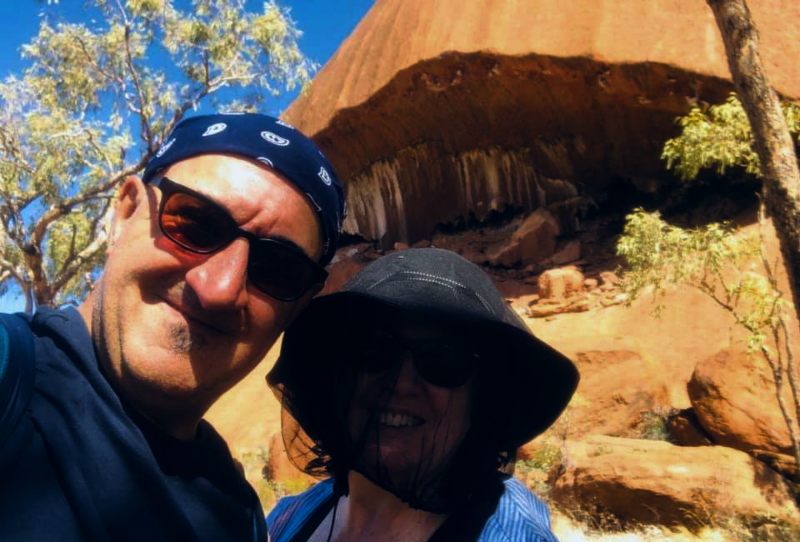
- Don’t be proud: Buy a $10 net at the IGA. You might look like a beekeeper in your photos, but it’s better than swallowing flies for lunch.
Footwear and Dust
- Leave the white sneakers at home: The red dust at Uluru is iconic, but it’s also permanent. It will never fully come out of white fabric. Wear sturdy walking shoes or boots in a darker color. I completely destroyed my white hiking sandals… yes I know, not my smartest move.
Hydration and Sun
- Water: Carry at least 3L per person for any walk. The full detail is in the safety section below, but the short version is the dry heat is deceptive.
- Wide-brim hats: Baseball caps don’t cut it here—you need to protect the back of your neck.
- Lip balm with SPF: Your lips will be the first things to crack in the desert wind.
Pro Tip: Don’t laugh at the fly nets in the gift shop – by day two, you’ll be grateful you bought one. They’re essential during fly season (October-December).
Must-Do Experiences: What’s Actually Worth It?
After trying a bit of everything during our trip, here is my “priority list” for any first-timer. In 2026, the focus has shifted much more towards cultural immersion rather than just seeing the Rock from a distance.
1. The Uluru Base Walk (10km)
This was the absolute highlight for our group. We started at first light to beat the heat and the crowds.
- The Guided Option: If you want the full cultural stories, I recommend the Morning Guided Base Walk. It includes a picnic breakfast and takes about 6 hours.
- The DIY Option: If you have a car, drive to the Mala Carpark and start at sunrise. It’s free!
Our tip: Don’t feel you have to do the whole 10km loop if you aren’t up for it. The Mala Walk section (about 2km return) is where you’ll see the most interesting caves and rock art. We walked this alone but I really wish we had joined a guided walk here, we overheard a few of them and the stories they tell make the landscape come alive.
2. The Cultural Centre (Do this first!)
I strongly recommend making this your very first stop. It’s free to enter, and it provides the context you need to respect the site. You’ll learn about the Anangu people’s connection to the land and why certain areas are sacred.
Visitor Info: You can find opening hours and current exhibits on the Parks Australia official site.
Note: There is no photography allowed inside the Cultural Centre or at certain sacred sites around the base—please respect this.
3. A Sunrise or Sunset at Uluru
You haven’t truly seen the Rock until you’ve watched it change colors at dawn or dusk. The way the sandstone shifts from a dull brown to a glowing, fluorescent orange is something no photo can fully capture.
Sunrise at Talinguru Nyakunytjaku (Our Favorite Spot): This is the premier 360-degree viewing area. It has elevated platforms that give you a perfect view of both Uluru and the domes of Kata Tjuta in the distance.
Money saver: If you don’t choose a guided tour then pack your own “tailgate breakfast.” We brought thermoses of coffee and some pastries from the Yulara bakery, arrived 45 minutes before first light, and watched the desert wake up. It’s much more peaceful (and cheaper!) than the organized breakfast tours.
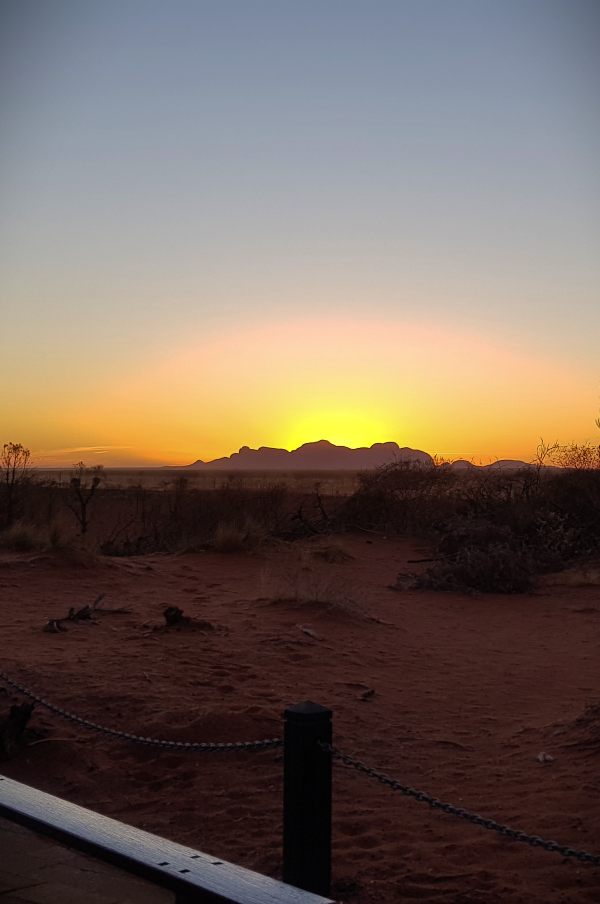
Sunset at the Kata Tjuta Dune Viewing Area: While everyone else is fighting for a spot at the main Uluru sunset carpark, head the other way. The Kata Tjuta dune area offers a sprawling view of the 36 domes.
Bring a bottle of sparkling wine and some glasses. Because this spot is further from the resort (about a 35-minute drive), it’s often much less crowded than the Uluru sites. You get to watch the domes turn a deep, luminous red while the sun sets behind you.
4. Field of Light
Walking through 50,000 solar-powered spindles of light as the desert wakes up is something I’ll never forget.

- General Admission ($50): Perfect for a self-guided stroll. Book General Admission here.
- Star Pass ($137): Includes sunset drinks and appetizers on a private dune. Book the Star Pass here.
- Sunrise Journeys: A newer 2026 option for early birds. Book Sunrise Journeys here.
5. Kata Tjuta (The Olgas)
Don’t make the mistake of only focusing on Uluru. Kata Tjuta is just as impressive.
The Valley of the Winds Walk: This is quite a bit more strenuous than the Uluru base walk (lots of loose rocks and steep bits), but the views from the Karu lookout are spectacular.
6. Wintjiru Wiru (The Drone Show)
This is the newest major attraction. It uses over 1,000 drones, lights, and lasers to tell an Anangu story in the night sky. It’s expensive, but if you’re looking for a “wow” moment for a birthday or anniversary, this is the 2026 “must-do.” I have not seen this yet so I can’t tell you if it’s worth it but I know it will be on my list for next time.
A Quick Note on 2026 Park Entry
Remember, you need a valid National Park pass to access these viewing areas.
- Adult 3-Day Pass ($38): In 2026, passes are 100% digital. Buy yours online at the official Parks Australia site before you leave the resort to avoid the “no signal” panic at the park gate!
Our top three tours:
- Uluru base guided walk (cultural understanding) or a Helicopter flight for aerial views
- Sunrise viewing (best light for photos)
- Field of Light (unique art experience)
How to Save Money at Uluru in 2026
Let’s be real, Uluru is expensive. Between the “remote area” fuel prices and the resort monopoly, costs add up fast. But after our trip, we figured out a few ways to keep the budget under control without feeling like we were missing out.
1. The “Stay Longer, Save More” Hack In 2026, Ayers Rock Resort has doubled down on stay-and-save deals.
- The Deal: You can often find 35% off if you stay 3 or 4 nights at the Campground or the Outback Lodge. Even the higher-end hotels like Desert Gardens offer up to 25% off for longer stays.
- Why it works: It encourages that “slow travel” pace I mentioned earlier, and the savings usually cover the cost of a fancy dinner or a car rental.
2. Master the IGA Supermarket The Town Square IGA is your best friend. Restaurant meals at the resort will easily set you back $40–$60 per person for dinner.
- The Strategy: We bought breakfast supplies, sandwich fixings for lunch, and snacks here.
- Note: Prices are about 30–50% higher than a Sydney Woolworths, but it’s still vastly cheaper than eating out for every meal. If you’re staying at Emu Walk Apartments, use that kitchen! Bring your own coffee and save even more.
3. Use the Free Resort Activities Don’t just pay for every tour on the list. The resort puts on a heap of free cultural activities every day:
- Bush Food Experiences: Learn about native ingredients and traditional cooking.
- Didgeridoo Workshops: A great way to spend an hour in the afternoon.
- Guided Garden Walks: Surprisingly interesting for learning about local desert flora.
- Mala Walk: As I mentioned, the Ranger-led walk at the base of Uluru is 100% free and one of the best experiences you can have.
4. Traveling with Kids? In 2026, the National Park Pass is still free for kids under 18. This is a massive win for families. Also, many of the resort hotels allow children 15 and under to stay free if they use existing bedding.
5. Book Flights for Mid-Week If your dates are flexible, aim for a Tuesday or Wednesday arrival. In 2026, we’ve found that mid-week flights from Sydney and Melbourne are often 20–30% cheaper than the weekend “sprint” flights
Staying Safe in the Red Centre
The Red Centre is stunning, but it’s not the place to be “relaxed” about the rules. Here is what matters most for staying safe in 2026.
1. The 11:00 AM Rule In the hotter months (basically anytime that isn’t winter), the National Park Rangers are strict. If the forecast hits 36°C, they close the more strenuous hikes like the Valley of the Winds by 11am. Avoid the heat: Start at sunrise. You’ll get the best photos, see the most wildlife, and be back at the hotel pool by the time the desert starts to bake.
2. Hydration is a Full-Time Job The dry heat is a ninja—it evaporates your sweat before you even feel it. Drink one litre of water for every hour you’re walking. We carried 3L bladders in our daypacks for the Base Walk and finished them before we were even done. Don’t rely on the emergency tanks at the trailheads; they can run dry.
3. Dress for Dust, Not the ‘Gram Since we’re talking about the desert, your biggest fashion statement is going to be how much red dirt you can successfully keep out of your gear.
- Shoes: Leave your white sneakers in Sydney. The red dust is permanent. Wear dark-colored hiking shoes or sturdy sneakers.
- Lips & Skin: The desert wind will crack your lips in two hours. Pack SPF lip balm and a heavy-duty moisturizer.
- Night Chill: The desert still drops to freezing or near-freezing at night during winter. If you’re coming in June/July, pack thermals and a beanie for those sunrise starts.
4. Connectivity Mobile signal is patchy once you leave the Yulara resort hub.
Download the “Emergency+” App: It uses your GPS to give responders your exact coordinates even if you don’t have a data connection. It’s a literal lifesaver.
If you respect the heat and the flies, you’ll have an incredible time. The people who struggle are the ones who try to start the Base Walk at 10:30am with a 600ml bottle of Mount Franklin.
Where to Eat at Uluru: 2026 Prices
Since you’re essentially in a mini-city owned by one resort, you have to be strategic. Here is the 2026 pricing for dining on your holiday:
The “Budget” Lifesaver: Kulata Academy Café This is the heart of the Town Square and is run by Indigenous trainees. It’s the best place for a “normal” lunch.
- You can grab a Beef Brisket or Chicken Satay Pie for $11.50 or a fresh Chicken Tikka Sandwich for $12.00.
It’s great for a quick breakfast too (the Bacon & Brie sandwich is a winner). Just remember they usually close mid-afternoon, so it’s a lunch spot, not a dinner option!
2. The Classic Experience: Outback Pioneer Kitchen This is where everyone goes for that iconic “Aussie Outback” vibe.
- The DIY BBQ: You buy your meat and grill it yourself on the massive communal grills. Current 2026 prices range from Kangaroo Sausages ($36) to a Scotch Fillet ($48). All BBQ choices include the salad bar.
- The Kiosk: If you don’t want to cook, the kiosk next door does Pizzas for $28–$31.
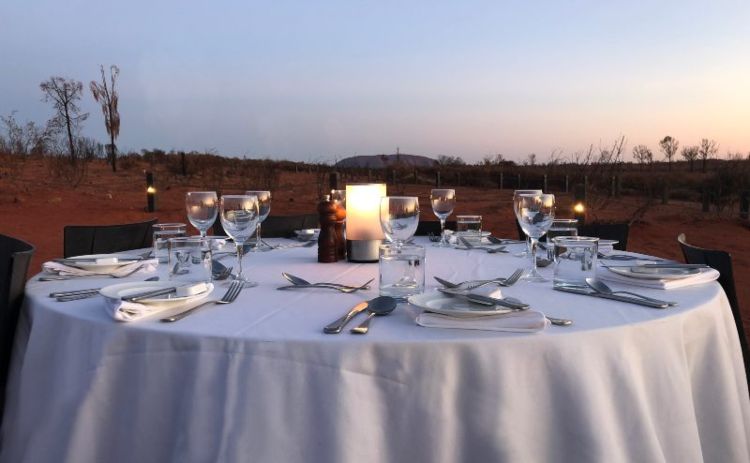
3. The Big Splurge: Sounds of Silence: For travel in 2026, the price is $295 per adult (and $150 for children aged 10-15).
- What’s included: 4 hours of experience, canapés on a dune at sunset, a 3-course bush-tucker buffet, and a guided “Star Talker” session.
- The Combo: If you want to add the light installation, the “A Night at Field of Light” package is $360 per adult.
Alternatively you can take a 90 minute sunset tour with wine and cheese for $110 per person.
It’s a good idea to have travel insurance to cover any cancellation or unexpected problems that may arise in the outback. We use and recommend Cover-More for all our travel. They also offer an inbound plan for anyone visiting Australia.
Frequently Asked Questions About Visiting Uluru
How much does it cost to visit Uluru in 2026? Budget around $300-400 per person per day. Full cost breakdown above.
How many days do you need at Uluru? Four days is ideal. See our full breakdown above.
Can you climb Uluru in 2026? No. The climb has been permanently closed since October 2019.
What is the best time of year to visit Uluru? May or September for the best balance of weather, crowds and price.
Do you need a car at Uluru? Not essential but strongly recommended. Details in the transport section above.
Is Uluru suitable for children? Yes. The National Park pass is free for under 18s.
What mobile network works at Uluru? Telstra only, once you leave the Yulara resort area.
Is Uluru worth the cost? Based on our experience, yes. The full verdict is at the bottom of this page.
Final Verdict: Is Uluru Worth the Trip?
I get asked this all the time: “Is it really just a big rock?” My answer is always a hard yes, it is worth it. But it’s not just the rock. It’s the way the air feels at 5am, the deep silence of the desert, and the incredible stories of the Aṉangu people that have been told on that ground for over 30,000 years.
My Top 3 Takeaways for Your Trip:
- Get a Car: The freedom to drive out to the Kata Tjuta viewing area at sunset—away from the tour buses—is worth every cent.
- Respect the Culture: Spend time at the Cultural Centre before you do anything else. It changes how you see the landscape.
- The “5am Club”: You can nap by the hotel pool when the flies come out at midday!
Need more specific information? Check out our other Uluru guides:
- Detailed Accommodation Guide
- Multi-day Tour Options
- Best Time to Visit Uluru
- Complete Uluru Walking Guide
Have questions about exploring Australia?
Head over and join our Facebook Group and we will be happy to help